How to Reverse Sear a Steak on a Gas Grill
To reverse sear on a gas grill, cook the steak slow over low, indirect heat until it is almost done, then sear it hot for a crust. It gives an even, edge-to-edge pink center.
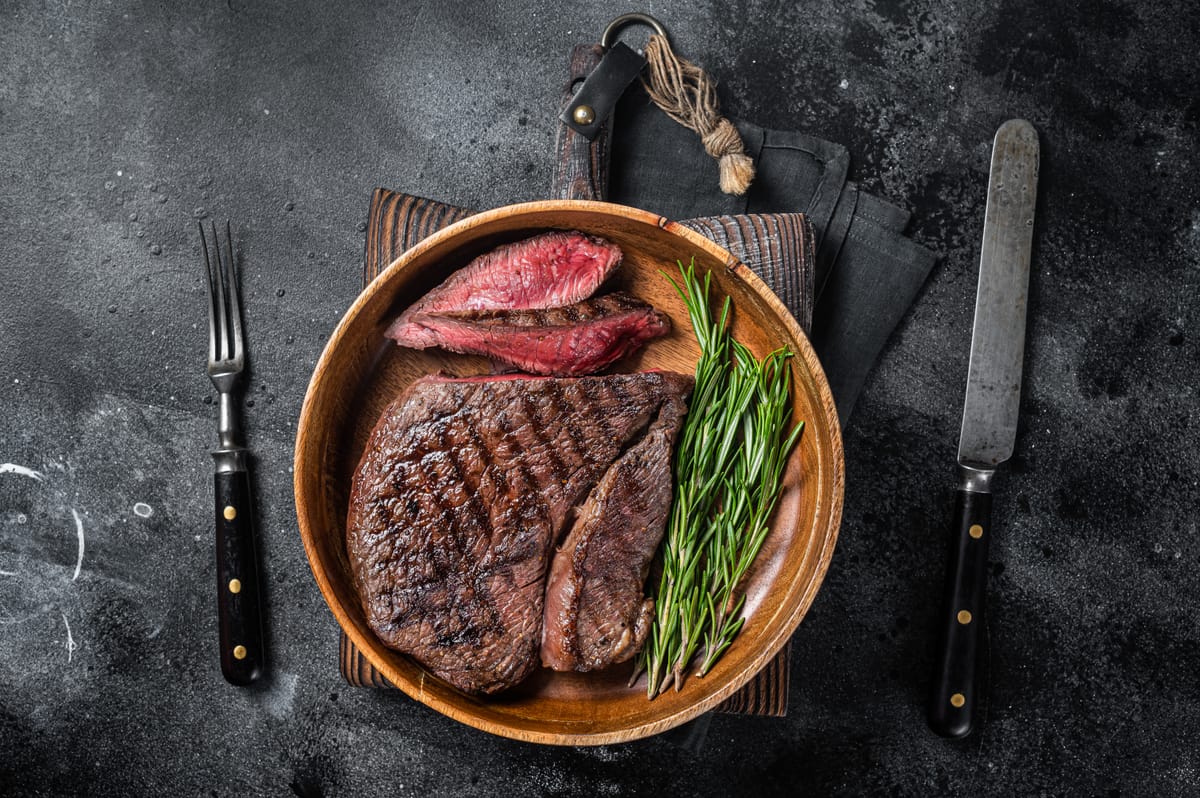
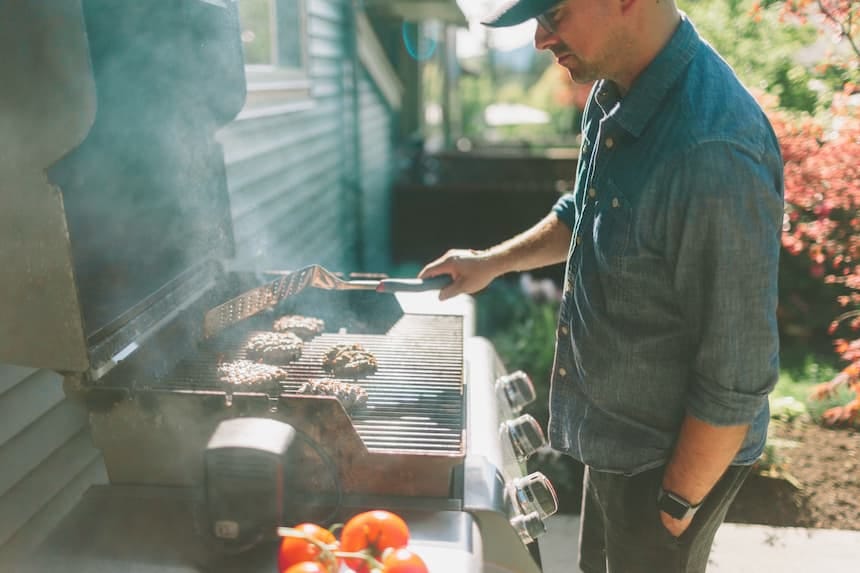
Reverse searing is the easy way to cook a thick steak that is perfectly pink from edge to edge with a deep brown crust. You cook it low and slow first, then sear it hot at the very end. On a gas grill, it is simple once you set up two heat zones.
Here is how to reverse sear a steak on a gas grill.
What is a reverse sear?
A normal sear cooks the outside first, then the inside. A reverse sear flips that order. You warm the steak gently over low heat until it is almost done, then blast it over high heat for a quick crust. The slow start means no gray band of overcooked meat under the surface. Just even, rosy steak.
Best steaks for a reverse sear
This method shines on thick cuts, about 1.5 inches or more. Think ribeye, New York strip, or a thick filet. Thin steaks cook too fast for it to help, so save those for a regular high-heat sear.
How to reverse sear on a gas grill
- Season early. Coat the steak with Dad Spice The Classic on all sides. You can do this up to a day ahead and leave it uncovered in the fridge for an even better crust.
- Set up two zones. Turn the burners on one side to low and leave the other side off. Aim for about 250 to 300 degrees F with the lid closed.
- Cook over the off side. Place the steak on the unlit side and close the lid. This is indirect heat, like an oven.
- Pull it early. Cook until the inside is about 10 to 15 degrees below your target. For a medium-rare steak, pull it around 115 to 120 degrees F.
- Crank the heat. Turn the lit burners to high and let the grill get rip-roaring hot.
- Sear fast. Put the steak over the hot side and sear about 1 minute per side, just long enough for a crust.
- Rest and serve. With a reverse sear you can skip the long rest, since the inside is already even. A couple minutes is plenty.
Target temperatures
Pull the steak off the slow phase at these temps, then sear to finish:
- Rare: pull at 105 to 110, finish near 125 degrees F
- Medium-rare: pull at 115 to 120, finish near 130 to 135 degrees F
- Medium: pull at 125 to 130, finish near 140 to 145 degrees F
Not sure where to stop? The Meat-o-Meter gives you the pull temp for your cut, and the doneness chart shows the color at each stage.
Reverse sear tips
- Use a thermometer. This method lives and dies by temperature. A leave-in probe makes it easy.
- Dry the surface. Pat the steak dry before the final sear so it browns fast instead of steaming.
- Keep the lid closed during the slow phase to hold steady, even heat.
- Do not rush the sear. Wait until the grill is as hot as it gets, then move quick.
Why it works so well
The slow start cooks the steak evenly all the way through, so you do not get that overdone ring near the crust. The hot finish gives you the brown, crunchy sear everyone loves. Put them together and you get a steak that looks and tastes like it came from a steakhouse.
New to grilling thick cuts? Pair this with our guide on grilling techniques for different cuts of meat and you will be set.
Frequently asked questions
How do you reverse sear a steak on a gas grill?
Cook it over low, indirect heat with the lid closed until it is about 15 degrees below your target, then sear it over high heat for about a minute per side.
What temperature do you reverse sear at?
Run the slow phase around 250 to 300 degrees F, then crank the grill to high for the final sear. Pull a medium-rare steak off the slow phase near 115 to 120 degrees F.
Is reverse sear better than regular searing?
For thick steaks, yes. It cooks evenly with no gray band and gives a great crust. For thin steaks, a regular high-heat sear is faster and just as good.
Do you need to rest a reverse seared steak?
Only a couple minutes. Because the inside cooks evenly during the slow phase, it does not need the long rest a regular seared steak does.
Make it taste better.
Grab a bottle of The Classic and season like you mean it.